
Realism On Iran
Do we have a Venezuelan option?

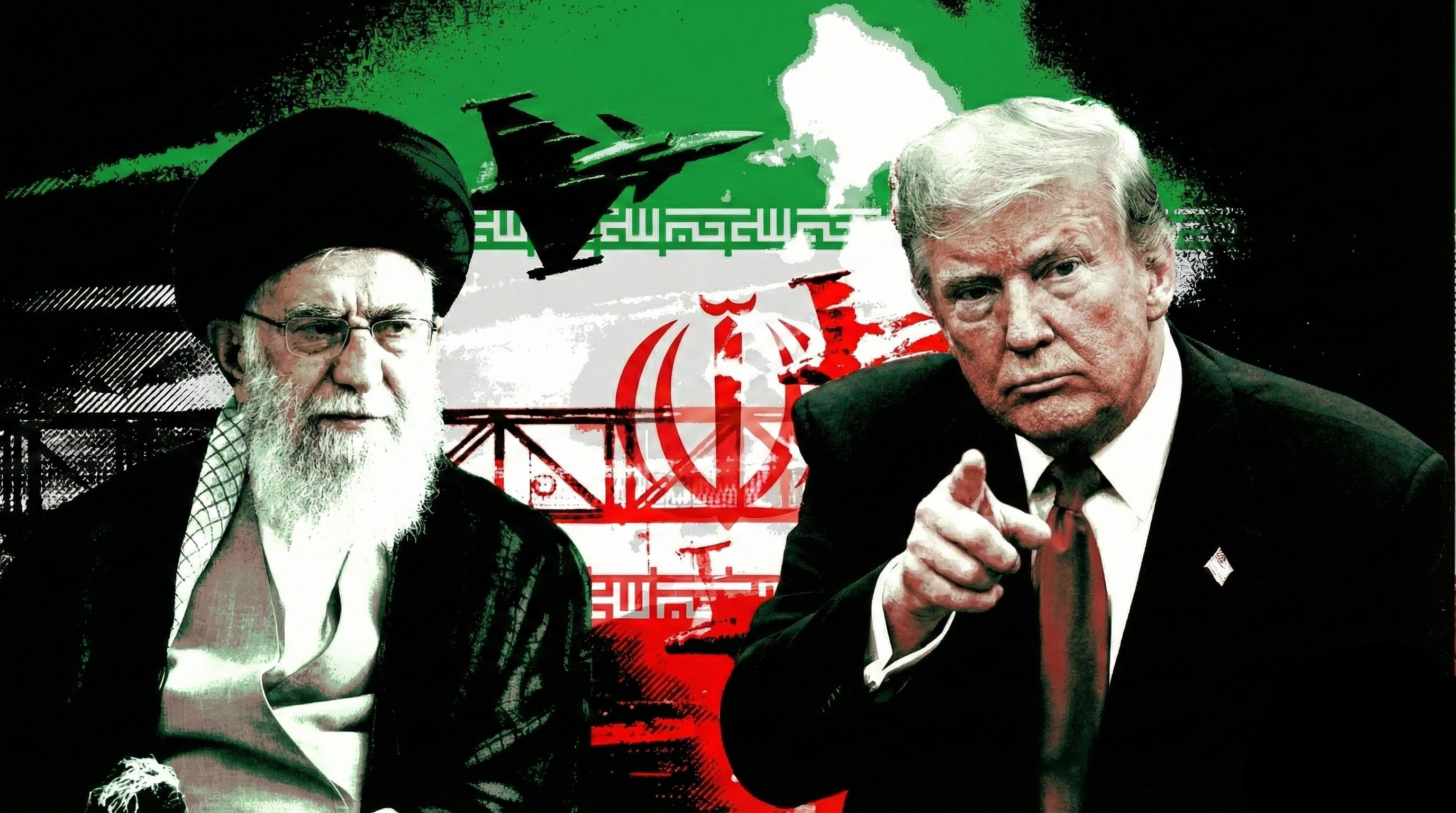
It is time to discuss the situation in Tehran and American options with some realism. The Iranian regime is clearly weakened as its regional proxy architecture has been systematically degraded, its economy totters under sanctions and corruption, last summer’s Israeli and American strikes exposed the hollowness of its deterrent posture, and the largest wave of protests in decades now convulses the country, with reports of thousands dead. The aging, decaying Islamist regime no longer possesses any of the revolutionary vitality of its youth. It is widely accepted, even among its defenders, that the Islamic Republic is living on borrowed time. The question is no longer whether the regime will fall but when, under what conditions, with what assistance, and to whose benefit.
What is the optimal outcome of the current instability for the United States? The answer is, unequivocally, regime change into a post-Islamist, American-aligned regime. This is not merely a matter of overcoming a major adversary and a major source of regional instability that sits astride one of the most strategic corridors in the Middle East and atop significant energy reserves—though that alone would justify the objective. As I outlined in an earlier essay, the Middle East is likely entering a period of prolonged and intense competition among middle powers, a transformation that will increasingly constrain America’s leverage and its ability to secure its interests. A reliable, stable, post-Islamist Iran would be a major stabilizing input into such conditions. Indeed, it is one of the very few paths forward I can identify that offers any durable resolution to the region’s deepening disorder.
There are many possibilities and pathways that might lead to this outcome—or to others far less favorable. But the problem can be usefully broken down into two components: the ousting of the current Ayatollah regime and the consolidation of power in the hands of a successor government capable of securing order and pursuing normalization. These are distinct challenges requiring separate analysis.
The First Component: Regime Collapse
The reason this conversation is happening at all is that the first precondition—the fall of the Islamic Republic—is closer to possibility than at any point since 1979. The cumulative effect of the regime’s losses is severe: the collapse of Hezbollah, the degradation of itsproxies, the loss of Syria, the paralysis of its nuclear program, and the demonstrated vulnerability of its military infrastructure to Israeli and American strikes. These external shocks have compounded the regime’s internal fragility—a stagnant economy, an alienated population, and a clerical establishment that has lost whatever legitimacy it once claimed. The current protest wave is not an isolated eruption but the latest and largest in a series stretching back to 2009, each more intense than the last.
The question, then, is what role the United States can or should play in accelerating the regime’s collapse. President Trump has already openly discussed the possibility of aiding the protesters by delivering a decisive blow to the regime. He subsequently conditioned this on having a military option that would not drag the United States into a prolonged conflict—a strategically correct stipulation. In effect, Trump is asking his military for a Venezuelan option: rapid, decisive, limited in duration and commitment.
The questions that follow are whether such an option exists and whether the United States possesses the assets to execute it. The answers, thus far, are not encouraging.
