
One Damn Thing After Another
Cycles of Power and Ambition in the Middle East

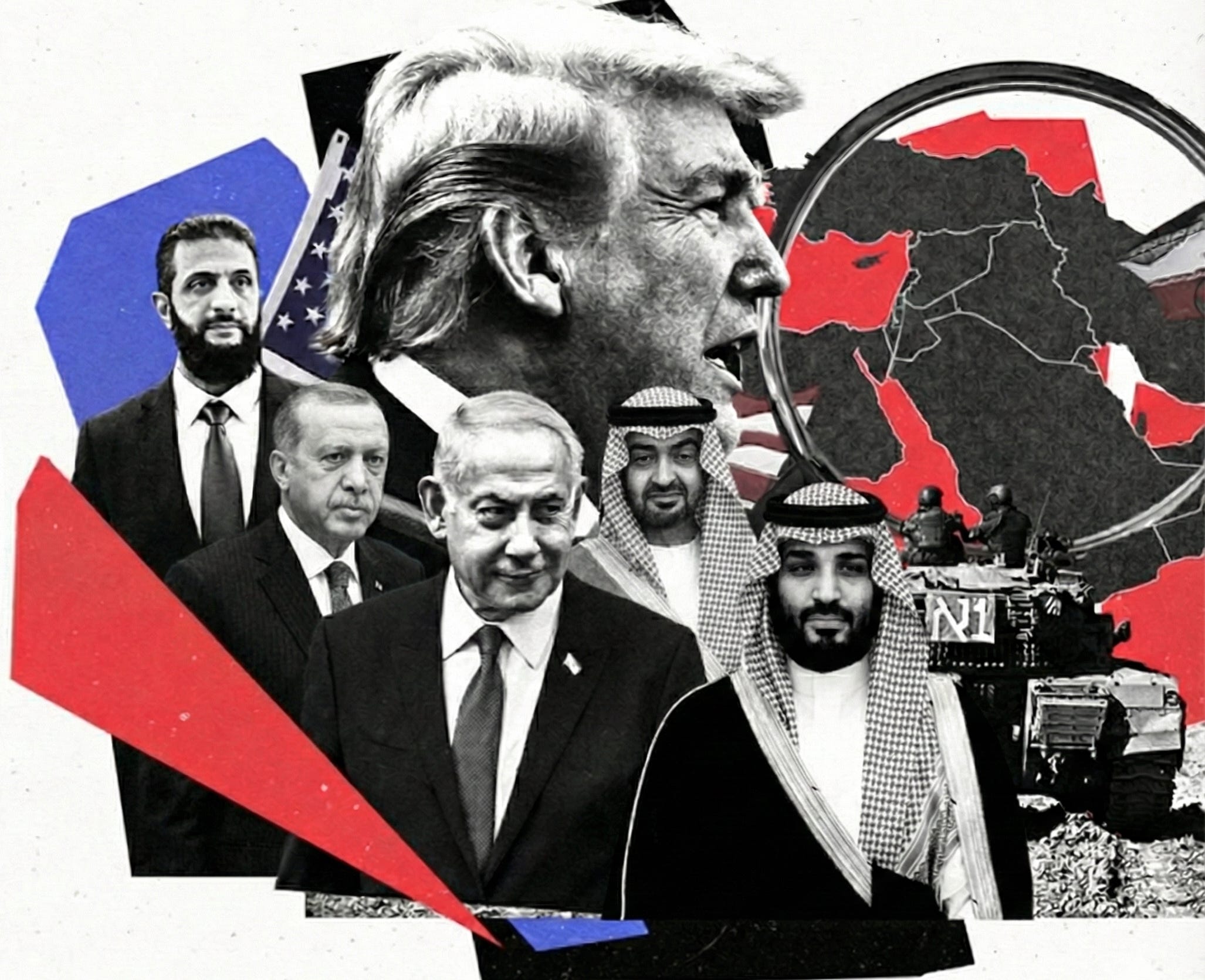
There are very few men, if any, who left so many genuinely profound utterances as Solomon did. “One generation passeth away, and another generation cometh: but the earth abideth for ever,” he once wrote. Like everything else he wrote, it sounds, at first, like resignation, and reveals itself, on reflection, as something considerably more profound. He is not really lamenting the passage of time as much as its inescapability, the permanent recurrence of human ambition against the permanent indifference of the world that outlasts it. Whether one finds in this consolation or terror is perhaps a question of temperament, if not of character. The earth abides. Men do not. And yet men, generation after generation, arrange their affairs as though this time it will hold. Spoiler alert, it won’t.
Will the current war in the Middle East, drawing, as it seems, the curtains on the last chapter of the life and world of the Islamic Republic, and with it the dream of Islamic governance, lead to a more peaceful region in which the wolf finally lies down with the lamb, and the Jew with the Muslim, as the prophets once imagined? It would certainly be welcome. But would it even be plausible? Or will the collapse of the Islamic Republic simply usher in the beginning of something else — a new will to war, a new will to Palestine?
In the Middle East, the succession of crises, cycles of struggle for domination, is not random; it is not the geopolitical equivalent of bad weather, but each new formation of trouble grows from the ruins of the last with something like causal necessity. The damn things are not unrelated. They are, in the truest sense, one thing because of another. The pattern and structure of the recent history of the modern Middle East, read not as a sequence of contingencies but as a dialectical process in which each ideological destruction generates the conditions for the next struggle for dominance. Something is coming.
